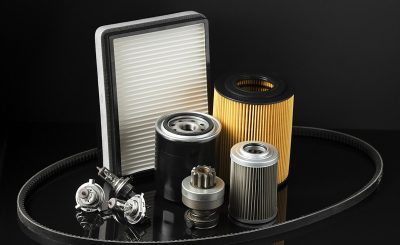
The automotive industry has undergone a massive transformation over the past decades, with innovations in technology, materials, and manufacturing processes redefining the way vehicles perform. Auto parts are at the core of this evolution, bridging the gap between engineering excellence and everyday functionality. While many discussions focus on basic maintenance or replacement tips, understanding the advanced aspects of auto parts, including their engineering, performance optimization, and aftermarket innovations, is critical for enthusiasts, mechanics, and fleet managers seeking long-term value.
This article explores high-level insights into auto parts, detailing modern manufacturing techniques, performance-enhancing upgrades, sustainability considerations, and best practices for ensuring longevity and efficiency.
The Evolution of Auto Parts
From Mechanical Simplicity to Complex Engineering
Historically, auto parts were simple, mechanical components designed primarily for durability. Today, vehicles are sophisticated systems combining mechanical, electronic, and digital technologies. Key shifts include:
-
Electrification: The rise of hybrid and electric vehicles has introduced components like lithium-ion batteries, regenerative braking systems, and high-voltage wiring harnesses.
-
Advanced materials: Lightweight alloys, composites, and high-strength plastics are replacing traditional steel to reduce weight and improve fuel efficiency.
-
Integration with software: Modern parts often include sensors, microchips, and connectivity features for real-time diagnostics and performance monitoring.
OEM vs. Aftermarket Parts
Choosing the right auto parts involves understanding Original Equipment Manufacturer (OEM) components versus aftermarket options:
-
OEM parts guarantee compatibility, reliability, and manufacturer support but often come at a premium.
-
Aftermarket parts offer customization, performance enhancements, and cost flexibility but require careful selection to ensure quality and longevity.
Understanding these differences is crucial for balancing performance, cost, and reliability in both daily driving and high-performance applications.
Critical Auto Parts and Their Advanced Applications
Engine Components
Modern engines rely on precision-engineered components for efficiency, durability, and power output. Key areas of innovation include:
-
Turbochargers and superchargers: Increase air intake and combustion efficiency for enhanced performance.
-
Variable valve timing systems: Optimize fuel combustion across different engine speeds, improving both power and fuel economy.
-
High-performance pistons and camshafts: Designed to reduce friction, withstand higher pressures, and enhance engine responsiveness.
Transmission and Drivetrain
The transmission system has evolved from manual gearboxes to highly automated dual-clutch and continuously variable transmissions (CVTs). Key considerations include:
-
Material advancements: High-strength steel and ceramics improve durability and reduce weight.
-
Fluid technology: Modern synthetic transmission fluids extend component life and enhance smooth operation.
-
Drivetrain optimization: Components like limited-slip differentials improve traction and performance for both road and off-road applications.
Suspension and Braking Systems
Suspension and braking systems are critical for vehicle safety, handling, and comfort. Advanced developments include:
-
Adaptive suspension systems: Adjust damping and stiffness in real-time for improved stability and ride quality.
-
Ceramic and carbon-ceramic brakes: Offer superior heat resistance, reduced fade, and longevity for high-performance vehicles.
-
Active steering components: Enhance cornering precision and safety under varying driving conditions.
Electronics and Sensors
Modern vehicles rely heavily on electronic systems, making sensors and control units integral auto parts:
-
Advanced driver-assistance systems (ADAS): Include sensors for lane-keeping, adaptive cruise control, and collision avoidance.
-
Oxygen and temperature sensors: Optimize engine performance and emissions control.
-
Telematics modules: Provide real-time diagnostics, fleet tracking, and predictive maintenance alerts.
Exhaust and Emission Components
Stringent emission regulations have driven innovation in exhaust systems:
-
Selective catalytic reduction (SCR) units: Reduce nitrogen oxide emissions in diesel engines.
-
Particulate filters: Capture soot and fine particles, improving air quality compliance.
-
Exhaust flow optimization: Enhances engine efficiency and performance while reducing noise and emissions.
Material and Manufacturing Innovations
Lightweight and High-Strength Materials
Weight reduction remains a key factor in modern auto part design. Innovations include:
-
Aluminum alloys: Used in engine blocks, suspension arms, and body panels to reduce weight while maintaining strength.
-
Carbon-fiber composites: Primarily in performance and luxury vehicles for structural parts and body panels.
-
High-strength plastics: Replace metal in interior and under-the-hood components to reduce cost and weight.
Additive Manufacturing and 3D Printing
3D printing is revolutionizing custom auto parts production, allowing:
-
Rapid prototyping of complex components.
-
On-demand production for discontinued or rare parts.
-
Lightweight structures that are difficult to achieve through traditional manufacturing.
Quality Control and Testing
Advanced testing ensures parts perform under extreme conditions:
-
Fatigue and stress testing: Simulates years of use in accelerated cycles.
-
Thermal cycling: Ensures materials withstand temperature fluctuations.
-
Computer-aided simulations: Predict component behavior under various load and environmental conditions.
Sustainability in Auto Parts
As the automotive industry faces environmental challenges, sustainability in auto parts is increasingly important:
-
Recycled materials: Using recycled metals and plastics reduces environmental impact.
-
Eco-friendly coatings and lubricants: Lower emissions during production and use.
-
Modular design: Facilitates repair, upgrades, and end-of-life recycling of parts.
Maintenance, Upgrades, and Longevity
Predictive Maintenance
With IoT integration and telematics, predictive maintenance is transforming how auto parts are serviced:
-
Sensors detect wear, vibration anomalies, and fluid contamination.
-
Predictive algorithms schedule maintenance before catastrophic failure.
-
Reduces downtime, repair costs, and unexpected failures.
Performance Upgrades
Advanced auto parts allow enthusiasts and fleet operators to customize performance:
-
High-flow air intakes, performance exhausts, and upgraded suspension kits improve responsiveness.
-
Engine tuning and ECU remapping optimize power delivery without compromising reliability.
-
Lightweight wheels and brake upgrades reduce unsprung weight, improving handling.
Longevity Best Practices
To maximize the lifespan of auto parts:
-
Use high-quality lubricants and fluids.
-
Adhere to manufacturer-specified maintenance intervals.
-
Avoid overloading or extreme operating conditions.
-
Store spare parts in controlled environments to prevent degradation.
The Future of Auto Parts
The next frontier in auto parts includes:
-
Electrification and battery technology: Improved energy density, thermal management, and longevity.
-
Smart and connected components: Auto parts that communicate with vehicles for autonomous operation and predictive servicing.
-
Sustainable and bio-based materials: Innovations in polymers and composites to reduce environmental impact.
FAQs
1. Are aftermarket auto parts as reliable as OEM parts?
High-quality aftermarket parts can match or exceed OEM performance, but selection and manufacturer reputation are critical.
2. How do advanced sensors impact auto part longevity?
Sensors enable predictive maintenance, allowing early detection of wear or failure, thereby extending overall component life.
3. What is the advantage of ceramic brakes over standard steel brakes?
Ceramic brakes offer higher heat resistance, reduced fade, lighter weight, and longer service life, ideal for high-performance vehicles.
4. Can 3D-printed parts replace traditional manufacturing for critical components?
Currently, 3D printing is ideal for prototypes, rare parts, and low-load applications, with high-strength metals gradually expanding possibilities.
5. How do electric vehicles change the auto parts landscape?
EVs reduce reliance on traditional engine components but increase demand for battery packs, power electronics, and high-voltage wiring systems.
6. Are recycled auto parts safe to use?
Yes, if certified and properly tested for performance, recycled parts can be safe, cost-effective, and environmentally friendly.
7. What is the role of telematics in modern auto parts maintenance?
Telematics monitors performance, predicts failures, and optimizes maintenance schedules, enhancing reliability and reducing costs.