The concept of vehicle ownership has evolved far beyond simply purchasing a car for transportation. Today, vehicle ownership involves strategic decisions encompassing performance optimization, long-term maintenance, financial planning, and sustainability considerations. Whether managing a personal car, fleet, or specialized vehicle, experienced owners understand that maximizing efficiency, reliability, and value requires a multifaceted approach. This article explores advanced strategies for owning, maintaining, and optimizing vehicles to ensure safety, longevity, and financial prudence.
Understanding Vehicle Lifecycle and Depreciation
Lifecycle Phases
Every vehicle goes through distinct phases that affect both its value and performance:
-
Initial depreciation: Vehicles lose 20-30% of their value within the first two years, primarily due to market perception rather than actual condition.
-
Stabilization phase: From 2 to 5 years, depreciation slows; vehicles are often ideal for purchasing as they balance cost and reliability.
-
Aging phase: After 5-7 years, wear and tear become significant, requiring more intensive maintenance.
Factors Influencing Depreciation
Several elements influence how a vehicle depreciates over time:
-
Brand reliability and reputation: Brands with strong reliability retain value longer.
-
Mileage: Vehicles with lower mileage tend to maintain higher resale value.
-
Maintenance history: Regular servicing and documented care can mitigate depreciation.
-
Technological advancements: Older vehicles without modern features may depreciate faster as buyers favor newer tech.
Advanced Vehicle Selection Strategies
Performance and Efficiency Considerations
Choosing a vehicle requires analyzing performance beyond just engine size:
-
Fuel efficiency vs. power trade-off: Modern turbocharged engines can provide high performance without compromising fuel economy.
-
Transmission options: Automatic transmissions provide convenience, while manual transmissions can enhance control and longevity if properly maintained.
-
Suspension and handling: Vehicles with adaptive suspension systems or sport-tuned setups may offer superior driving dynamics.
Vehicle Usage Patterns
Assessing intended vehicle use ensures optimal selection:
-
Daily commuting: Focus on fuel efficiency, reliability, and comfort.
-
Heavy load or towing: Prioritize torque, drivetrain durability, and suspension strength.
-
Urban vs. rural driving: Consider maneuverability, clearance, and off-road capabilities.
Safety and Technology
Modern vehicle technology significantly impacts both safety and long-term value:
-
Driver assistance systems: Adaptive cruise control, lane-keeping assist, and automatic emergency braking reduce risk.
-
Connectivity features: Infotainment, telematics, and GPS tracking enhance usability and convenience.
-
Crash safety ratings: Vehicles with high safety ratings often command higher resale value.
Vehicle Inspection and Evaluation
Mechanical Assessment
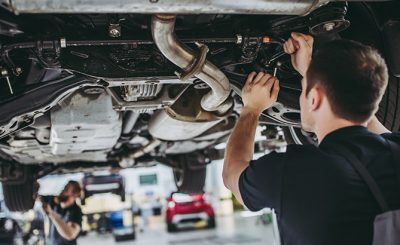
Thorough mechanical evaluation is critical to avoid unexpected costs:
-
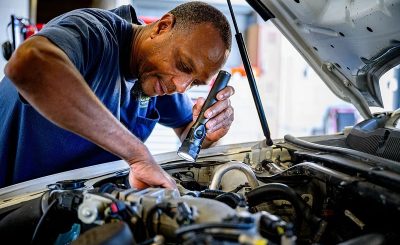
Engine diagnostics: Use OBD-II tools to detect hidden faults and monitor performance metrics.
-
Transmission health: Smooth gear changes without jerking indicate a well-maintained system.
-
Brake and suspension check: Inspect for wear, responsiveness, and alignment issues.
Exterior and Structural Evaluation
The vehicle’s body and structural integrity are often overlooked but essential:
-
Frame and panel inspection: Uneven gaps may signal prior accidents or repairs.
-
Rust and corrosion assessment: Focus on wheel wells, undercarriage, and seams.
-
Paint consistency: Color variations can indicate repainted areas after bodywork.
Interior and Electronics
Interior features affect both comfort and functionality:
-
Climate control systems: Efficient heating and cooling are essential for comfort and resale.
-
Electronic systems: Test infotainment, navigation, and safety sensor functionality.
-
Seat and upholstery condition: Well-maintained interiors reflect care and enhance value.
Financial Considerations
Cost Analysis
Owning a vehicle entails multiple expenses beyond the purchase price:
-
Fuel costs: Analyze efficiency based on real-world usage patterns.
-
Maintenance and repairs: Older vehicles may have higher maintenance costs; plan accordingly.
-
Insurance: Model, age, and location significantly impact premiums.
Financing Strategies
Understanding financing options can save money in the long term:
-
Loan term vs. interest rate trade-off: Shorter terms reduce total interest but increase monthly payments.
-
Leasing vs. buying: Leasing may offer lower monthly payments but lacks ownership benefits.
-
Pre-approved financing: Provides leverage during negotiation and clarifies budget limits.
Resale Value Management
Maintaining value requires foresight and diligence:
-
Service records: Complete, documented maintenance history enhances resale potential.
-
Market timing: Selling before extensive repairs are needed maximizes returns.
-
Feature upgrades: Technology or aesthetic upgrades can increase appeal to buyers.
Advanced Vehicle Maintenance
Preventive Maintenance
Proactive maintenance prevents costly breakdowns:
-
Oil and filter changes: Protect engine integrity and efficiency.
-
Brake and tire monitoring: Ensure safety and performance.
-
Fluid checks and replacements: Transmission, brake, and coolant fluids should be monitored regularly.
Performance Optimization
Optimizing performance can extend the vehicle’s lifespan and efficiency:
-
Suspension and brake upgrades: Improve handling, safety, and longevity.
-
Fuel efficiency enhancements: Aerodynamic modifications and fuel system cleaning reduce fuel consumption.
-
Engine tuning and diagnostics: Advanced diagnostics can enhance performance and preempt mechanical issues.
Environmental Considerations
Modern vehicle owners often consider environmental impact:
-
Hybrid and electric options: Reduce emissions and future-proof ownership.
-
Eco-driving techniques: Smooth acceleration, consistent speed, and reduced idling improve fuel efficiency.
-
Recycling and disposal: Properly handling fluids, tires, and batteries reduces environmental footprint.
Advanced Fleet and Specialized Vehicle Management
Fleet Optimization
For businesses managing multiple vehicles, efficiency and cost control are critical:
-
Telematics integration: Monitor usage, fuel efficiency, and maintenance remotely.
-
Predictive maintenance: Analyze patterns to prevent downtime.
-
Lifecycle management: Strategically rotate vehicles to maximize value and minimize cost.
Specialized Vehicles
Vehicles for specific tasks require tailored strategies:
-
Off-road or heavy-duty vehicles: Focus on drivetrain durability, suspension reinforcement, and load capacity.
-
Commercial vehicles: Prioritize reliability, operational efficiency, and regulatory compliance.
-
Luxury or collector vehicles: Emphasize preservation, documentation, and climate-controlled storage.
FAQs
1. How can I accurately assess a vehicle’s current market value?
Use multiple valuation tools, consider mileage, age, condition, and compare similar models in your region.
2. Are hybrid and electric vehicles worth the higher initial investment?
They often offer lower long-term operating costs, reduced environmental impact, and retain value due to growing market demand.
3. What preventive maintenance tasks have the highest impact on longevity?
Regular oil changes, brake inspections, fluid replacements, and timely tire rotation significantly extend vehicle life.
4. How do I negotiate effectively for a used vehicle?
Leverage inspection results, market value data, and be prepared to walk away to maintain bargaining power.
5. What technology upgrades can enhance both safety and resale value?
Installing driver assistance systems, advanced infotainment, and modern safety sensors improves usability and market appeal.
6. How do I determine the ideal vehicle for my driving patterns?
Analyze daily commute distance, load requirements, terrain, and desired performance features to match the vehicle to usage.
7. How can fleet managers optimize multiple vehicles efficiently?
Integrate telematics, track maintenance schedules, analyze operational patterns, and implement predictive maintenance strategies.