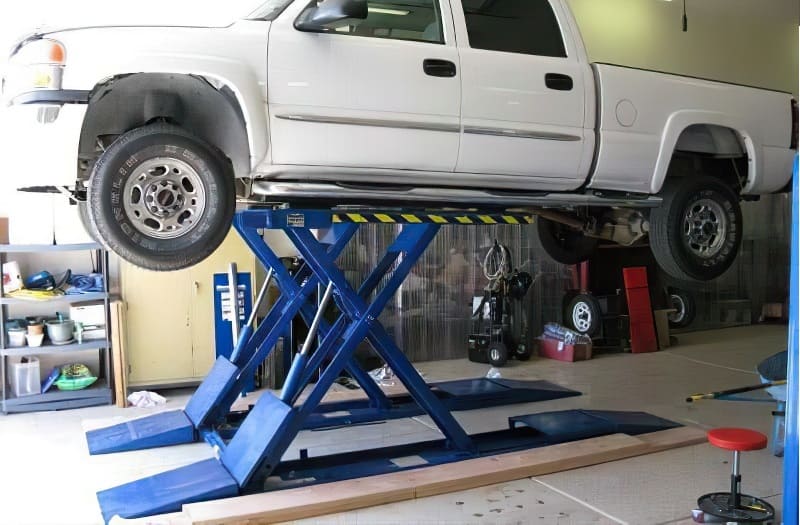
A modern collision repair bay needs equipment that supports accurate measurement, controlled pulling and efficient technician access around the vehicle. A car repair bench with a scissor lift can help body shops manage structural work more effectively because it combines a stable repair platform with the ability to raise, lower and position the vehicle at a practical working height.
Access Changes The Way Technicians Work
Structural repair is not only about applying force to damaged areas. Technicians need to inspect, measure, anchor, pull, check progress and often move between different areas of the vehicle several times during a repair. If the vehicle is at an awkward height or the repair platform limits access, the job can become slower and physically harder than it needs to be.
A scissor-lift bench can improve this by allowing the vehicle to be positioned more comfortably for different stages of the job. Low positioning can help with loading and setup, while raised access can make measuring, underbody work and structural inspection easier. This matters in a busy body shop because small improvements in access can reduce wasted movement throughout the day.
Better access also supports better quality control. When technicians can see and reach the areas they need without struggling around the equipment, they are more likely to check details properly. That can make the repair process more consistent and reduce the chance of missed issues.
Stability Matters During Pulling And Alignment
A repair bench must hold the vehicle securely. During structural pulling, force needs to be applied in a controlled way, and the vehicle needs to remain stable while corrections are made. If the setup moves or flexes too much, accuracy becomes harder to maintain.
This is why the bench should be considered part of the repair system, not just a lifting device. It needs to support anchoring, measurement and pulling in a way that suits the type of work the shop handles. A bench used for light panel access has a very different role from one used for structural correction.
For body shops repairing modern vehicles, repeatability is important. The bench should help technicians follow a clear process: position the vehicle, secure it correctly, measure the damage, apply controlled force and recheck results. A stable platform makes that process easier to trust.
Workflow And Space Should Be Considered Before Buying
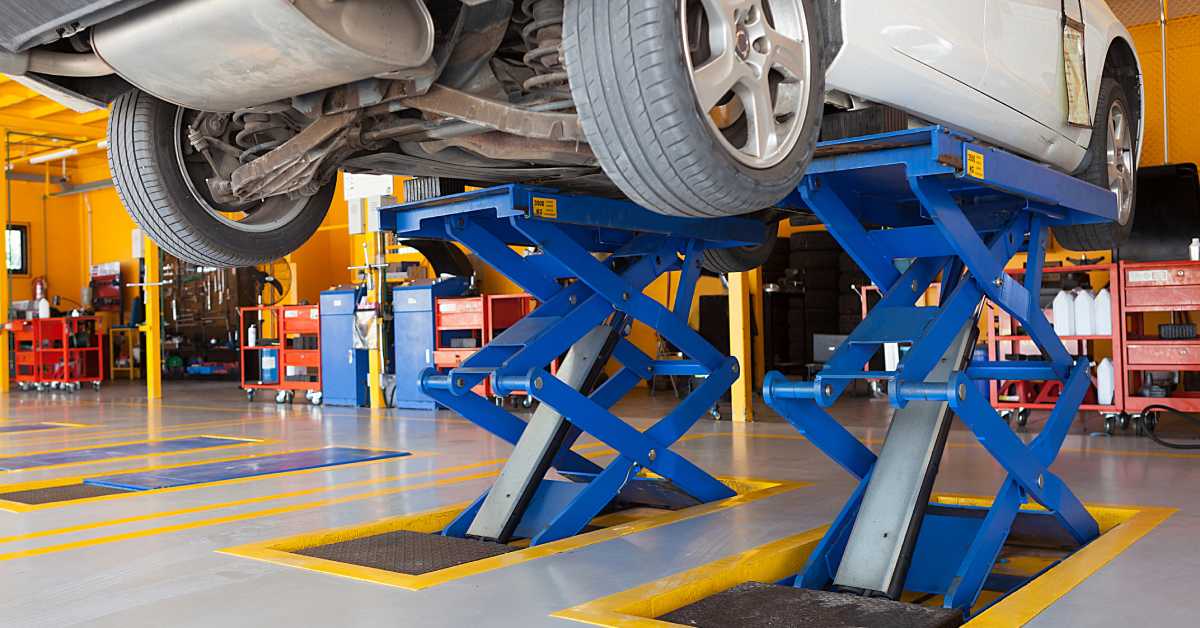
Workshop space is valuable. Any large piece of repair equipment needs to earn its place by improving productivity, capability or repair quality. Before investing, body shop managers should think carefully about the type of vehicles they repair, the number of structural jobs they handle, and how vehicles currently move through the workshop.
A bench that improves access but creates problems with bay layout may not deliver its full value. The shop should consider loading space, technician movement, storage for fixtures and clamps, and how easily the bench fits into the wider repair process. Equipment should reduce bottlenecks, not create new ones.
Training is also part of workflow. Technicians need to understand how to set up the bench correctly, secure vehicles safely and use the system as intended. A good equipment choice should be supported by proper processes so the workshop gets the full benefit.
Better Equipment Supports Better Repairs
Structural repair requires confidence. Technicians need confidence in their measurements, in the way the vehicle is held, and in the equipment supporting the correction. A well-chosen bench can make difficult jobs more manageable by giving the workshop a more controlled repair environment.
The best systems improve both quality and efficiency. They help technicians work at a sensible height, control structural movement more accurately and manage repairs in a repeatable way. For body shops that want to strengthen their repair capability, the right bench is not just a workshop purchase. It is part of the standard the business is able to deliver.