Car repair is no longer just about fixing broken components; it has evolved into a sophisticated industry integrating technology, diagnostics, and preventive maintenance to maximize vehicle performance and longevity. Modern car repair businesses are focused not only on immediate fixes but also on providing long-term solutions, data-driven diagnostics, and enhanced customer experiences. Understanding these advanced aspects is critical for both automotive professionals and vehicle owners who want to optimize their investment.
This article explores the advanced landscape of car repair, covering cutting-edge diagnostics, specialized repair techniques, maintenance strategies, technological integration, and aftermarket services. It provides a comprehensive guide to the operational and technical expertise required in today’s automotive repair sector.
The Evolving Role of Car Repair
From Reactive Fixes to Proactive Maintenance
Historically, car repair focused on reactive approaches: fixing what was broken. Today, modern repair centers emphasize proactive strategies:
-
Predictive diagnostics: Utilizing sensors and telematics to identify potential failures before they occur.
-
Preventive maintenance plans: Scheduled servicing and inspections reduce costly repairs and improve reliability.
-
Customer-focused solutions: Educating vehicle owners about long-term maintenance strategies builds trust and loyalty.
Integration with Automotive Technology
Vehicles today are highly computerized, requiring repair shops to adapt:
-
OBD-II and advanced diagnostic tools: Detect engine, transmission, and electronic system issues efficiently.
-
ECU programming and software updates: Modern repair involves updating firmware to optimize performance.
-
Hybrid and electric vehicle expertise: Repair centers need specialized knowledge to handle high-voltage systems and regenerative braking technology safely.
Diagnostic Precision and Specialized Repair Techniques
Advanced Engine and Transmission Repairs
Modern engines and transmissions are more complex than ever:
-
Variable valve timing (VVT) and turbocharged systems: Require precision adjustments to maintain performance and efficiency.
-
Automatic transmission diagnostics: Identifying hydraulic and electronic control issues is crucial for reliability.
-
Direct injection and fuel system repairs: Precision cleaning and component replacement prevent costly engine damage.
Electrical and Electronic Systems
With the rise of electronic control units (ECUs), car repair has become heavily electronics-driven:
-
Sensor calibration: Proper functioning of ABS, traction control, and adaptive cruise control depends on accurate sensor data.
-
Infotainment and connectivity issues: Repairing and updating navigation, audio, and telematics systems requires both software and hardware expertise.
-
Battery management systems (BMS): Critical for hybrid and EV repair, ensuring safe charging, discharging, and power distribution.
Bodywork and Collision Repair
Collision repair now involves advanced materials and precision techniques:
-
Aluminum and composite panel repairs: Specialized tools and techniques prevent structural compromise.
-
Paintless dent repair (PDR): Minimizes paint damage while restoring bodywork.
-
ADAS recalibration: Post-collision repairs require recalibration of advanced driver-assistance systems to maintain safety and functionality.
Maintenance Strategies for Long-Term Vehicle Health
Comprehensive Preventive Maintenance
Routine maintenance extends vehicle life and prevents unexpected breakdowns:
-
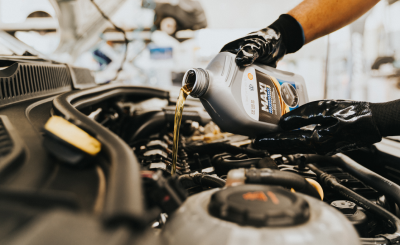
Fluid replacement schedules: Engine oil, transmission fluid, brake fluid, and coolant must be monitored and replaced on time.
-
Timing belt and chain inspections: Prevent catastrophic engine damage through proactive replacement.
-
Brake and suspension checks: Ensuring optimal performance and safety by monitoring wear patterns and alignment.
Tire and Wheel Management
Proper tire and wheel maintenance is critical:
-
Tire rotation and balancing: Prevents uneven wear and enhances handling.
-
Alignment services: Corrects steering issues and improves fuel efficiency.
-
Advanced tire diagnostics: Tire pressure monitoring systems (TPMS) require specialized tools and calibration to function correctly.
Air Conditioning and Climate Control
Modern vehicles rely on advanced HVAC systems:
-
Refrigerant system maintenance: Prevents leaks, maintains cooling efficiency, and reduces environmental impact.
-
Climate sensor calibration: Ensures proper temperature regulation and comfort.
-
Hybrid/EV HVAC integration: Requires knowledge of battery-powered climate control systems.
Technological Integration in Car Repair
Telematics and Connected Vehicle Services
Connected vehicles provide repair shops with real-time diagnostic data:
-
Remote monitoring: Technicians can analyze engine, battery, and system performance remotely.
-
Predictive alerts: Early identification of faults allows for scheduling preventive maintenance.
-
Software-driven repairs: Updates and patches can resolve issues without replacing physical components.
Advanced Tooling and Automation
Modern repair facilities leverage advanced equipment to improve efficiency:
-
Robotic lifts and diagnostic arms: Streamline inspections and reduce labor time.
-
3D imaging and laser alignment: Precision in bodywork and chassis alignment reduces human error.
-
Automated parts ordering: Integration with inventory systems ensures rapid availability of required components.
Aftermarket Services and Customer Experience
Specialized Service Packages
Repair shops are differentiating themselves through premium services:
-
Comprehensive maintenance packages: Bundling oil changes, inspections, and minor repairs into subscription models.
-
Performance tuning and enhancements: ECU remapping, suspension upgrades, and exhaust system improvements.
-
Customization and detailing services: Exterior protection, interior refurbishment, and paint correction for high-end vehicles.
Building Customer Loyalty
Long-term business success depends on trust and customer retention:
-
Transparent pricing and repair estimates: Builds confidence and encourages repeat business.
-
Educational initiatives: Explaining repairs and maintenance fosters informed vehicle ownership.
-
Loyalty programs: Reward repeat clients with discounts, priority service, and exclusive offers.
Environmental and Regulatory Considerations
Eco-Friendly Practices
Repair centers are increasingly adopting sustainable practices:
-
Recycling automotive fluids and parts: Minimizes environmental impact.
-
Energy-efficient equipment: Reduces operational costs and carbon footprint.
-
Compliance with emission standards: Ensures legality and contributes to cleaner air.
Safety and Compliance
Handling modern vehicles involves compliance with strict regulations:
-
High-voltage safety protocols: Critical for hybrid and electric vehicle repairs.
-
Hazardous material handling: Safe disposal of batteries, refrigerants, and fluids.
-
Adherence to manufacturer repair standards: Maintains warranties and safety certifications.
Challenges in Modern Car Repair
Rapid Technological Evolution
Keeping up with rapid advancements in vehicle technology is essential:
-
Continuous training is required for technicians to remain proficient.
-
Investing in updated tools and software ensures accurate diagnostics and repairs.
-
Adapting to hybrid, electric, and autonomous vehicle systems is increasingly critical.
Competition and Customer Expectations
Customers expect quick, transparent, and high-quality service:
-
Efficient workflow management and appointment scheduling optimize service delivery.
-
Real-time updates and clear communication enhance customer satisfaction.
-
Competitive pricing while maintaining high service standards is a constant challenge.
The Future of Car Repair
The car repair industry is evolving towards predictive maintenance, connected services, and AI-assisted diagnostics:
-
Predictive algorithms will anticipate component failures before they happen.
-
Remote diagnostics and repair solutions will reduce downtime and enhance convenience.
-
Continued specialization in EV, hybrid, and autonomous vehicle repair will become standard.
FAQs
1. How has technology changed car repair in recent years?
Advanced diagnostics, telematics, and software updates now allow repairs to be more precise, proactive, and efficient.
2. Why is preventive maintenance so important?
It reduces unexpected breakdowns, extends vehicle lifespan, and minimizes costly repairs by addressing issues early.
3. What specialized skills are required for EV and hybrid vehicle repair?
High-voltage safety, battery management system knowledge, regenerative braking, and software-based diagnostics are critical skills.
4. How can repair shops build customer loyalty?
Through transparent pricing, educational communication, loyalty programs, and exceptional service quality.
5. What role do aftermarket services play in car repair profitability?
Services such as performance tuning, detailing, and subscription-based maintenance packages provide additional revenue streams.
6. How important is regulatory compliance for car repair centers?
Compliance with safety, emission, and hazardous material regulations is essential to maintain legal operation and customer trust.
7. What trends will shape the future of car repair?
Predictive maintenance, AI diagnostics, connected vehicle services, and specialization in EV and autonomous vehicle repair will dominate the industry.