Driving is more than simply maneuvering a vehicle from one point to another. Modern driving requires advanced knowledge, precision, and adaptability to varying road conditions, vehicle technologies, and traffic scenarios. While basic driving guides focus on rules and beginner techniques, experienced drivers benefit from advanced strategies that optimize safety, performance, and efficiency. This article delves into advanced driving tips, covering defensive driving, precision maneuvering, fuel-efficient techniques, handling adverse conditions, leveraging technology, and maintaining long-term vehicle performance.
The Importance of Advanced Driving Skills
Beyond the Basics
Experienced drivers face complex road environments that require more than standard driving skills:
-
High-speed decision-making: Responding to unexpected events safely at highway speeds.
-
Traffic flow anticipation: Understanding the behavior of other drivers to avoid congestion and collisions.
-
Vehicle control mastery: Adjusting handling and braking dynamically for optimal performance.
Safety and Efficiency
Advanced driving skills not only improve safety but also enhance efficiency:
-
Reducing wear on brakes, tires, and engine components through smoother driving.
-
Minimizing fuel consumption through controlled acceleration and deceleration.
-
Lowering the likelihood of accidents, which can have financial and emotional consequences.
Defensive Driving Strategies
Anticipate the Actions of Others
Proactive awareness is the cornerstone of defensive driving:
-
Maintain a safe following distance: Allow enough reaction time for sudden stops or lane changes.
-
Observe behavioral cues: Watch turn signals, lane positioning, and speed variations of nearby vehicles.
-
Predict potential hazards: Be alert for pedestrians, cyclists, and vehicles entering intersections.
The 360-Degree Awareness Approach
Advanced drivers maintain a complete understanding of their surroundings:
-
Mirrors and blind spots: Regularly scan mirrors while checking blind spots for hidden vehicles.
-
Peripheral vision utilization: Be aware of movement on the road edges without focusing solely on the lane ahead.
-
Situational awareness: Anticipate traffic signal changes, road obstructions, and merging vehicles.
Controlled Risk Management
Managing risk effectively is critical for experienced drivers:
-
Speed adjustment: Modify speed based on road conditions, traffic, and visibility.
-
Lane selection: Choose lanes with better traffic flow and fewer obstacles.
-
Safe overtaking: Only overtake when visibility and space allow, minimizing sudden maneuvers.
Precision Maneuvering Techniques
Smooth Steering and Braking
Proper steering and braking techniques improve vehicle stability:
-
Avoid abrupt movements: Smooth steering reduces tire wear and improves control.
-
Brake progressively: Gradual pressure prevents skidding and extends brake lifespan.
-
Counter-steering practice: Essential for regaining control during oversteer situations.
Cornering and Lane Management
Advanced driving requires precise handling during turns and curves:
-
Enter corners at controlled speed: Avoid excessive speed that could compromise traction.
-
Use the racing line principle: Enter wide, clip the apex, and exit smoothly for efficient cornering.
-
Lane discipline: Stay centered in your lane and anticipate other drivers’ lane changes.
Parking and Tight Space Navigation
Navigating confined spaces requires skill and planning:
-
360-degree scanning: Check surroundings and obstacles before initiating maneuvers.
-
Use of reference points: Identify vehicle alignment points for accurate parking.
-
Slow and deliberate movements: Reduce risk of minor collisions and scratches.
Fuel-Efficient Driving Techniques
Optimizing Acceleration and Deceleration
Fuel consumption is heavily influenced by driving style:
-
Gradual acceleration: Smoothly increase speed to reduce fuel usage.
-
Anticipate stops: Coast to red lights or stop signs instead of hard braking.
-
Engine RPM management: Keep RPMs within the optimal efficiency range.
Gear Selection and Transmission Awareness
Proper gear use improves efficiency and performance:
-
Manual transmission: Shift gears at optimal RPM for power and fuel economy.
-
Automatic transmission: Use overdrive and eco modes when appropriate.
-
Avoid unnecessary downshifting: Reduces engine load and preserves fuel.
Tire Pressure and Vehicle Maintenance
Well-maintained vehicles contribute to efficiency:
-
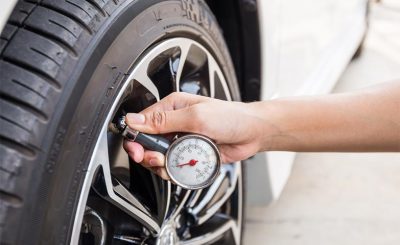
Regular tire inflation checks: Properly inflated tires reduce rolling resistance.
-
Engine and filter maintenance: Clean air filters and tuned engines optimize combustion.
-
Use of lightweight cargo: Minimizing extra weight decreases fuel consumption.
Handling Adverse Conditions
Wet and Slippery Roads
Driving on wet or icy surfaces requires advanced control:
-
Reduce speed significantly: High speeds increase the risk of hydroplaning or skidding.
-
Smooth steering and braking: Sudden inputs compromise traction.
-
Increase following distance: More space is needed for stopping on slippery surfaces.
Night Driving
Night driving demands heightened awareness:
-
Use high beams appropriately: Increase visibility without blinding other drivers.
-
Reduce speed in low visibility: Allows more reaction time to hazards.
-
Scan for animals and pedestrians: Their silhouettes are harder to detect in darkness.
Urban Traffic and Congested Areas
Dense city driving requires precise planning and patience:
-
Predict traffic light patterns: Minimize unnecessary stops and acceleration.
-
Anticipate pedestrian movements: Especially near crosswalks and schools.
-
Stay calm in congestion: Avoid aggressive maneuvers that increase risk of accidents.
Leveraging Technology for Safer Driving
Driver Assistance Systems
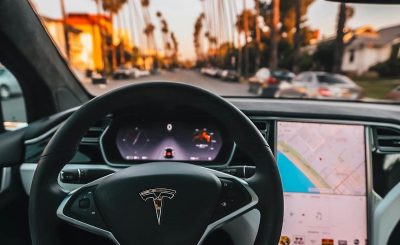
Modern vehicles come with technology that enhances driving precision:
-
Lane departure warnings: Alerts drivers when drifting from lanes unintentionally.
-
Adaptive cruise control: Maintains safe distance automatically in traffic.
-
Blind spot monitoring: Detects vehicles in areas invisible to mirrors.
Navigation and Telematics
Efficient route planning improves time management and reduces stress:
-
Real-time traffic updates: Avoid congested areas and construction zones.
-
Predictive routing: Suggests routes based on driving patterns and vehicle type.
-
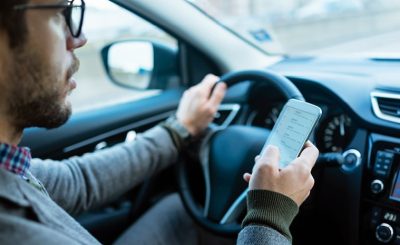
Integration with mobile devices: Minimizes distractions while providing useful alerts.
Posture and Ergonomics
Advanced drivers optimize their environment for control and comfort:
-
Seat positioning: Proper height and distance from pedals and steering wheel.
-
Steering wheel grip: Maintain a relaxed, balanced grip to reduce fatigue.
-
Mirror adjustments: Ensure maximum visibility and reduce blind spots.
Long-Term Driving Practices
Scheduled Vehicle Maintenance
Consistent vehicle care enhances performance and safety:
-
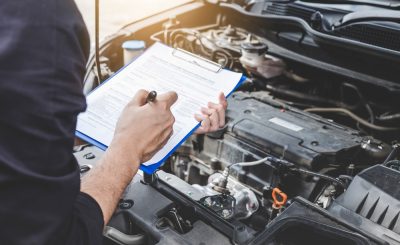
Regular oil changes and fluid checks: Maintain engine health and component longevity.
-
Brake and tire inspections: Ensure optimal stopping power and traction.
-
Suspension and alignment monitoring: Prevent uneven wear and improve handling.
Mental and Physical Fitness
Driving skill is enhanced by the driver’s condition:
-
Adequate rest and alertness: Fatigue significantly reduces reaction time.
-
Eye health monitoring: Clear vision ensures hazard detection.
-
Stress management: Calm drivers make better decisions in challenging conditions.
Continuous Skill Improvement
Even experienced drivers benefit from ongoing education:
-
Advanced driving courses: Techniques in skid control, emergency braking, and evasive maneuvers.
-
Simulation training: Safe environment to practice rare or high-risk scenarios.
-
Feedback and self-assessment: Analyze driving behavior for improvement opportunities.
FAQs
1. How can advanced drivers anticipate traffic hazards effectively?
By observing other drivers’ behavior, maintaining 360-degree awareness, and predicting pedestrian or vehicle movements in advance.
2. What are the best strategies for fuel-efficient driving?
Smooth acceleration and braking, optimal gear use, tire pressure maintenance, and avoiding unnecessary vehicle load.
3. How should drivers handle slippery roads or icy conditions?
Reduce speed, maintain extra following distance, use gentle steering and braking, and avoid sudden maneuvers.
4. What role do modern driver assistance systems play in advanced driving?
They provide alerts, automated adjustments, and enhanced situational awareness to reduce risk and improve control.
5. Why is ergonomics important for long-distance driving?
Proper seat, steering, and mirror positioning reduce fatigue, improve reaction time, and maintain optimal control.
6. How can drivers maintain precision during cornering and lane changes?
By controlling speed, using the correct racing line principles, staying centered in the lane, and scanning surroundings consistently.
7. What mental and physical practices enhance driving performance?
Adequate rest, stress management, eye care, and regular skill training all contribute to safer and more efficient driving.