Maintaining the proper tire pressure is one of the simplest yet most crucial aspects of car maintenance, and its impact on driving safety cannot be overstated. Whether you’re commuting to work, going on a road trip, or simply running errands, the condition of your tires directly affects how well your vehicle handles the road. Ensuring that your tires are inflated to the manufacturer’s recommended pressure is vital not only for enhancing performance but also for maximizing safety. This article outlines the importance of tire pressure and provides detailed insights into how it contributes to safe driving.
1. Improved Vehicle Handling
One of the most significant benefits of maintaining the correct tire pressure is the improvement in your vehicle’s handling and stability. When your tires are inflated to the correct pressure, they make better contact with the road surface. This means your vehicle will have improved traction, allowing you to steer, accelerate, and brake more effectively. Under-inflated tires can cause the vehicle to feel sluggish or unresponsive, especially when turning or maneuvering at higher speeds. On the other hand, over-inflated tires may result in a harsh ride and can reduce your ability to handle the vehicle in certain conditions.
2. Reduced Risk of Tire Blowouts
Tire blowouts can be dangerous, especially when driving at high speeds or on busy roads. Proper tire pressure helps reduce the risk of blowouts by ensuring that the tire’s internal structure remains intact under normal driving conditions. When tires are over-inflated, the internal pressure can exceed the tire’s design limits, causing them to burst unexpectedly. Under-inflation, on the other hand, causes excessive heat buildup, which can weaken the tire and increase the risk of a blowout. Regularly checking tire pressure can help you avoid these risks, giving you peace of mind while driving.
3. Longer Tire Lifespan
Proper tire pressure can significantly extend the lifespan of your tires. Under-inflated tires wear out faster because they create more friction with the road, leading to excessive heat and increased tire wear. On the other hand, over-inflated tires wear unevenly, typically causing the tread to degrade in the center of the tire. By maintaining the correct pressure, you ensure that your tires wear evenly, reducing the frequency with which you need to replace them and saving you money in the long run. Regular tire pressure checks are a small investment that can help you avoid unnecessary expenses.
4. Enhanced Fuel Efficiency
The state of your tire pressure also plays a critical role in fuel efficiency. Under-inflated tires create more rolling resistance, meaning your engine has to work harder to move the vehicle. This increased resistance results in lower fuel efficiency, causing you to use more gas and spend more money on fuel. Properly inflated tires reduce rolling resistance, allowing your vehicle to move more smoothly and efficiently, ultimately leading to better mileage and savings on fuel. Keeping your tires inflated to the manufacturer’s recommended levels can make a noticeable difference in how far you can go on each tank of gas.
5. Better Braking Performance
Tires with the correct pressure are essential for achieving optimal braking performance. The contact patch, or the area of the tire that touches the road, is directly affected by tire pressure. When your tires are properly inflated, the contact patch remains consistent and evenly distributed. This ensures that your vehicle can stop more quickly and more effectively in an emergency. Conversely, under-inflated tires increase stopping distances because they cannot grip the road as well, while over-inflated tires can cause the vehicle to be more prone to skidding or hydroplaning under wet conditions.
6. Safety in Adverse Weather Conditions
Proper tire pressure becomes even more critical when driving in adverse weather conditions such as rain, snow, or ice. Tires with low pressure have reduced contact with the road, making them less effective at gripping the surface. This can be particularly dangerous in wet or icy conditions, where the risk of slipping or losing control is heightened. Conversely, over-inflated tires are more prone to losing contact with the road during wet weather, increasing the likelihood of hydroplaning. By maintaining proper tire pressure, you improve your ability to safely navigate through rain or snow, reducing the chances of accidents.
7. Easier and More Comfortable Driving
When your tires are inflated to the correct pressure, your vehicle rides more comfortably. Under-inflated tires cause the car to feel sluggish and unstable, which can make for a rough and unpleasant ride. Over-inflated tires, while they might feel smoother on the road initially, can result in a stiffer ride and less absorption of bumps or potholes. Properly inflated tires ensure a more comfortable and stable driving experience, which becomes especially important on long trips where comfort and control are key.
8. How to Check and Maintain Proper Tire Pressure
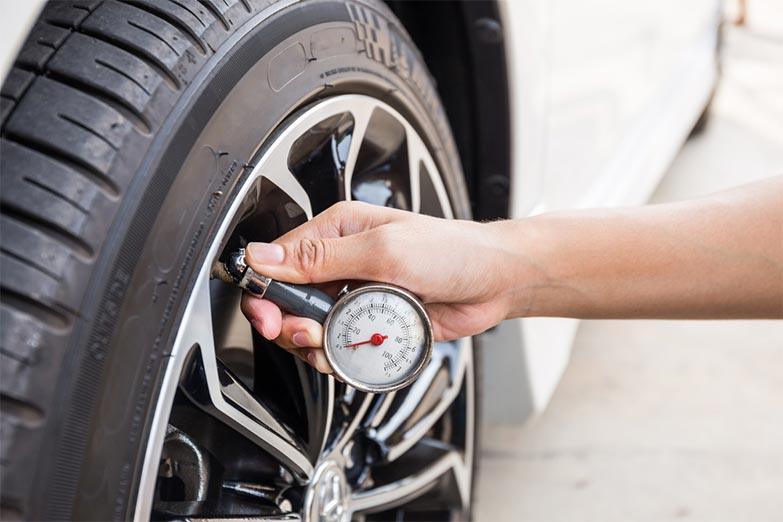
Now that we’ve discussed the importance of tire pressure, it’s essential to know how to check and maintain it. Checking tire pressure is simple and can be done using a tire pressure gauge. Most gas stations also have air pumps equipped with pressure gauges to help you adjust tire pressure when necessary. The manufacturer’s recommended tire pressure can usually be found on a sticker inside the driver’s side door frame or in the owner’s manual. It’s important to check tire pressure regularly, at least once a month, and before long trips. Always check tire pressure when the tires are cold for an accurate reading, as heat from driving can temporarily increase pressure.
If you find that your tires are consistently losing pressure, this could indicate a slow leak, and it’s advisable to have the tires inspected by a professional. Proper tire maintenance also includes rotating your tires regularly to ensure even wear and having them balanced to avoid unnecessary strain on your vehicle.
9. Conclusion
Proper tire pressure is integral to safe driving. It ensures better vehicle handling, reduces the risk of blowouts, extends tire lifespan, improves fuel efficiency, enhances braking, and makes driving more comfortable and stable. Regular tire checks and maintenance are simple yet effective ways to ensure your safety on the road. It’s a small investment of time that can pay off in long-term savings, better driving performance, and, most importantly, your safety.