Maintaining your vehicle is a cornerstone of safe driving. Beyond ensuring smooth performance, regular upkeep can save lives, prevent costly repairs, and extend the lifespan of your car. This article delves into the critical reasons why consistent vehicle maintenance is essential, offering detailed insights to highlight its significance.
Enhanced Safety on the Road
Regular maintenance directly impacts your safety while driving. Essential components like brakes, tires, and lights must function properly to avoid accidents. For example:
- Brake Performance: Faulty brakes can compromise your ability to stop quickly in emergencies. Routine inspections and timely replacement of brake pads ensure they operate effectively.
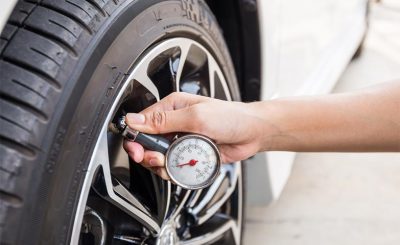
- Tire Health: Tires are your car’s only contact with the road. Checking tire pressure, tread depth, and alignment prevents blowouts and ensures stability during sharp turns or adverse weather conditions.
- Lighting Systems: Functional headlights and taillights are critical for visibility, especially during nighttime or poor weather conditions. Ensuring bulbs and electrical systems are intact reduces the risk of collisions.
A well-maintained vehicle significantly reduces the likelihood of mechanical failures that could lead to dangerous situations.
Prevention of Expensive Repairs
A proactive maintenance schedule can save you from facing costly repairs in the future. Neglecting minor issues often leads to larger, more expensive problems over time. For instance:
- Ignoring unusual engine noises or warning lights might result in engine damage that costs thousands to repair.
- Failing to change your oil regularly can lead to sludge buildup, reducing engine efficiency and eventually requiring an engine replacement.
- Neglecting cooling system maintenance can cause overheating, damaging vital components like the radiator and water pump.
By addressing small concerns promptly, you not only protect your wallet but also ensure your vehicle remains reliable.
Improved Fuel Efficiency
A well-maintained car operates more efficiently, consuming less fuel. Components like the engine, air filters, and spark plugs play a significant role in fuel economy. Here’s how maintenance impacts this:
- Engine Tuning: A properly tuned engine runs smoothly, optimizing fuel consumption. Dirty or clogged filters can reduce air intake, forcing the engine to work harder.
- Tire Pressure: Underinflated tires create additional friction, increasing fuel usage. Regularly checking and maintaining the correct pressure ensures optimal performance.
- Oil Changes: Fresh oil reduces friction within the engine, improving efficiency and reducing fuel consumption.
These simple practices not only save money at the pump but also reduce your vehicle’s environmental impact.
Extended Vehicle Lifespan
Regular maintenance extends the life of your car, allowing you to get the most out of your investment. Cars are intricate machines with interdependent systems, and neglect in one area can affect others. For example:
- Fluid Levels: Ensuring adequate levels of transmission, brake, and coolant fluids prevents premature wear and tear.
- Suspension System: Regular inspections protect components like shock absorbers and struts, which directly affect ride comfort and handling.
- Battery Care: Cleaning corrosion and checking connections prolongs battery life, avoiding inconvenient breakdowns.
Vehicles that receive consistent care tend to remain dependable for years, maintaining their performance and resale value.
Compliance with Legal and Insurance Requirements
In many regions, vehicle inspections are legally mandated to ensure roadworthiness. Regular maintenance helps you meet these requirements and avoid penalties. Additionally, some insurance policies may require proof of upkeep to maintain coverage. Staying compliant ensures you are protected in case of an accident.
Better Driving Experience
A well-maintained car provides a smoother, quieter, and more enjoyable driving experience. Here’s how maintenance contributes:
- Alignment and Suspension: Proper alignment prevents the car from pulling to one side, offering a stable ride.
- Air Conditioning: Maintaining the AC system ensures comfort during extreme weather conditions.
- Noise Reduction: Addressing issues like squeaky brakes or a rattling exhaust system improves cabin comfort.
These enhancements make daily commutes and long drives far more pleasant.
Environmental Benefits
A neglected vehicle often emits higher levels of pollutants due to inefficient combustion or faulty exhaust systems. Regular maintenance helps reduce your car’s carbon footprint by:
- Ensuring the catalytic converter functions properly to limit harmful emissions.
- Maintaining clean air filters to promote efficient fuel combustion.
- Avoiding fuel leaks and other environmentally damaging issues.
Contributing to a cleaner environment is a responsibility that every driver can embrace through routine care.
Steps to Stay Consistent with Maintenance
To ensure your vehicle remains in peak condition, adopt the following practices:
- Follow the Manufacturer’s Schedule: Refer to your car’s manual for recommended service intervals.
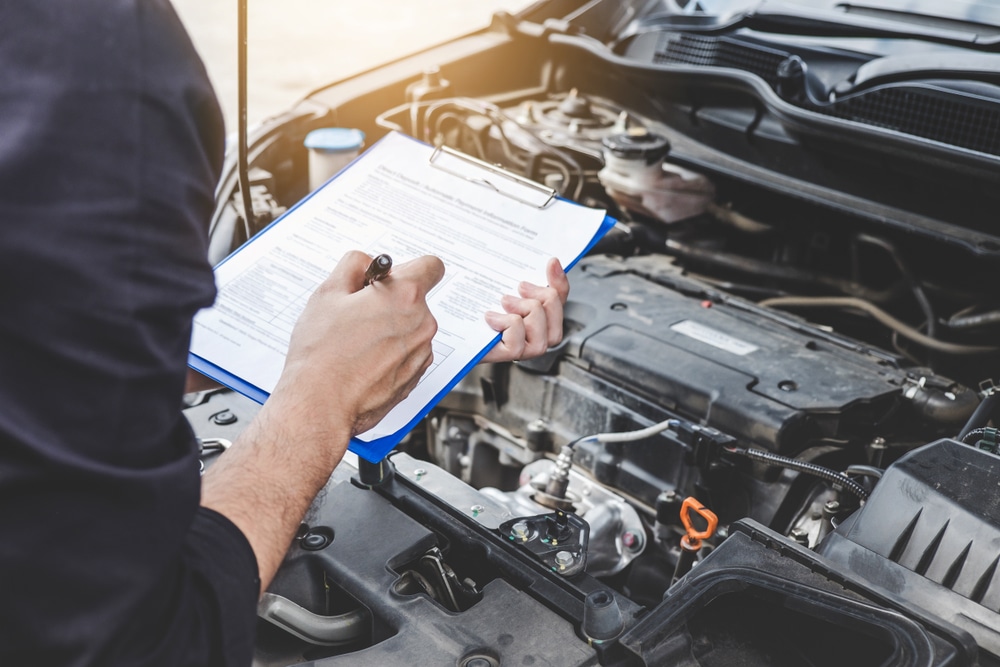
- Keep a Maintenance Log: Document every service to track completed tasks and upcoming needs.
- Pay Attention to Warning Signs: Never ignore dashboard lights, unusual noises, or performance changes.
- Work with Trusted Professionals: Build a relationship with a reputable mechanic for reliable guidance and service.
Consistency is key to reaping the benefits of regular maintenance.
By investing time and effort into maintaining your vehicle, you not only enhance its performance but also protect your safety and the safety of others on the road. Prioritize care, and your car will reward you with reliability and peace of mind.