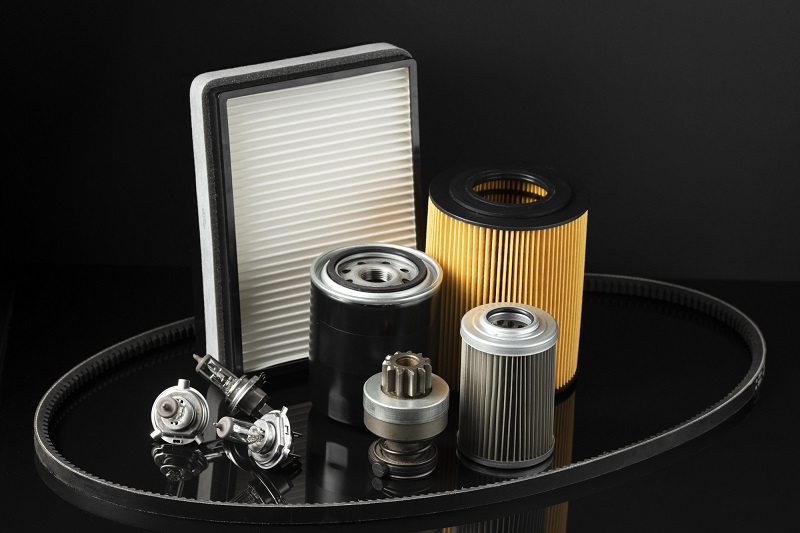
Modern vehicles are engineering marvels of tight tolerances and high thermal efficiency. Under the hood, components operate at blistering speeds and extreme pressures, with clearances between moving metal surfaces often measured in thousandths of an inch. Drivers routinely invest in high-grade synthetic motor oils, top-tier fuels, and specialized mechanical inspections to protect these intricate systems.
Yet the primary line of physical defense safeguarding those investments is often treated as an afterthought: the humble automotive filter.
Whether separating soot from lubricating oil, stripping abrasive silica from ambient air, or screening microscopic debris out of high-pressure fuel lines, filtration media quietly govern the operational lifespan of every vital automotive system. When motorists opt for bargain-basement filters or stretch maintenance intervals past their breaking points, the resulting degradation rarely causes immediate catastrophic failure. Instead, it manifests as a slow, insidious erosion of performance, fuel economy, and mechanical reliability.
Understanding how high-quality filtration media work—and how they protect your powertrain—is essential for anyone seeking predictable, efficient vehicle operation over hundreds of thousands of miles.
The Microscopic Battle Inside Modern Engine Lubrication
Engine oil is frequently described as the lifeblood of an internal combustion engine, circulating continuously to cool bearings, suspend combustion byproducts, and create a hydrodynamic cushion between metal components. However, even the most advanced synthetic oil cannot protect an engine if it is carrying a continuous slurry of carbon soot, worn metal shavings, and road dust through sensitive galleys.
This is where the structural integrity of the oil filter becomes paramount.
Economy filters rely heavily on basic, resin-impregnated cellulose paper. While cellulose is inexpensive, its fibers are relatively coarse, inconsistent in pore size, and prone to rapid degradation when exposed to extreme heat and corrosive combustion acids. Over time, cheap cellulose fibers pack tightly with sludge, restricting oil flow and forcing the filter into premature bypass mode.
When a filter enters bypass mode, an internal relief valve opens to prevent oil starvation, deliberately routing unfilted, dirty oil directly into the engine’s bearings and camshaft journals.
Premium oil filters, by contrast, utilize synthetic micro-glass or blended composite media. These engineered synthetic fibers are significantly thinner and more uniform than organic cellulose, creating a high-density matrix of microscopic channels. This architecture allows the filter to trap far smaller particles—down to ten to twenty microns—while simultaneously offering less physical resistance to oil flow.
Beyond the Media: Structural Components That Prevent Dry Starts
A quality oil filter is more than just its pleated paper core; it is a pressurized hydraulic vessel. The internal engineering of the canister plays a massive role in day-to-day engine health:
-
The Anti-Drainback Valve: When an engine is shut down, gravity naturally pulls lubricating oil out of the upper galleries and filter housing, draining it back down into the oil pan. A high-grade filter utilizes a supple silicone anti-drainback valve that stays flexible across severe temperature extremes, holding oil inside the canister. Budget filters often use standard nitrile rubber, which stiffens, cracks, and fails over time. A failing valve results in an empty filter, causing several seconds of metal-on-metal wear—often audible as a distinct ticking or knocking—every time you start the car cold.
-
Metal End Caps and Center Tubes: Quality filters bond their media pleats to rigid metal or heavy-duty composite end caps with high-temperature epoxy, supported by a perforated steel inner core. Inferior filters sometimes use cardboard end plates and plastic spiral cores, which can buckle under high oil pressure during hard acceleration or cold winter mornings, allowing unfiltered oil to wash past the torn seams.
Engine Air Intake: Protecting the Combustion Chamber
An automobile engine is functionally a massive air pump. For every single gallon of gasoline an engine burns, it ingests roughly ten to twelve thousand gallons of ambient air from the outside environment.
That ambient air is filled with airborne soot, pollen, organic matter, and, most dangerously, ambient silica dust. Silica is the mineral component of sand and road grit, and its microscopic crystalline structures are harder than engine steel.
When a low-grade or torn air filter allows silica particles into the intake tract, they act like liquid sandpaper. They score the polished mirror finish of cylinder walls, wear down delicate piston compression rings, and erode valve faces. Once cylinder walls lose their seal, blow-by increases, compression drops, oil consumption skyrockets, and engine power permanently degrades.
High-efficiency air filters balance two opposing engineering demands: maximum particulate capture and minimal airflow restriction. Modern depth-loading synthetic filters catch microscopic debris throughout the entire thickness of the material rather than merely trapping it on the outer surface.
Furthermore, a quality filter incorporates a robust, pliable polyurethane sealing gasket that will not shrink or dry rot inside the intake airbox. If that perimeter seal deforms, air takes the path of least resistance, bypassing the filter entirely and carrying unfiltered road grime directly past the mass airflow sensor and throttle body.
Precision Fuel Delivery in High-Pressure Systems
The evolution of automotive fueling has raised the stakes for fuel filtration. Decades ago, port-injected systems sprayed fuel into intake runners at relatively modest pressures of forty to sixty pounds per square inch (psi).
Modern engines, however, rely heavily on Gasoline Direct Injection (GDI) or high-pressure common rail diesel systems. These contemporary platforms spray fuel directly into the combustion chamber at staggering pressures ranging from two thousand to well over thirty thousand psi.
At these extreme pressures, tolerances inside fuel injector nozzles are microscopic. The tiny laser-drilled orifices that atomize fuel are vulnerable to the slightest particulate contamination:
-
Spray Pattern Disruption: A microscopic flake of rust or sediment can partially block an injector nozzle, turning a finely misted fuel spray into an irregular jet stream. This results in poor fuel atomization, localized cylinder hot spots, unburned hydrocarbons, and uncharacteristic engine stumbling under acceleration.
-
Injector Leaks and Piston Damage: Particulate debris caught in an injector needle seat prevents the valve from closing completely, allowing fuel to drip into the cylinder while the engine is off. This unburned fuel washes protective oil films off the cylinder walls and dilutes the oil in the crankcase, compromising whole-engine lubrication.
High-end fuel filters feature specialized multi-stage filtration capable of capturing sub-five-micron debris while actively separating suspended water molecules. Keeping water out of the fuel system prevents destructive internal corrosion and protects expensive mechanical fuel pumps from cavitation and premature seizure.
Transmission Filtration and Hydraulic Stability
While engine filtration receives the lion’s share of attention, automatic, dual-clutch, and continuously variable transmissions (CVTs) depend just as heavily on clean fluid. Modern automatic transmissions are sophisticated electro-hydraulic computers that execute gear changes through a labyrinth of precision channels known as the valve body.
Inside this valve body, miniature solenoids and spool valves move back and forth across tolerances measured in single-digit microns to route pressurized fluid to various clutch packs.
As a transmission ages, friction clutches naturally shed micro-fine composite dust, while gears and planetary carriers produce trace metallic shavings. If an aging, low-efficiency transmission filter allows this debris to circulate continuously through the hydraulic circuit, solenoids can stick, valves can bind, and shift timing becomes erratic. Drivers begin experiencing delayed engagements, harsh upshifts, or sudden slipping under load.
A premium transmission filter captures this abrasive suspended matter without creating hydraulic fluid cavitation, ensuring that line pressures remain rock-steady and shift quality remains smooth and predictable over the life of the vehicle.
The Economic Reality of Premium Filtration
Automotive maintenance often tempts owners into penny-pinching habits. At an oil change facility, declining an upgraded filter in favor of the cheapest option might save ten or fifteen dollars at the cash register.
Viewed across the lifespan of a vehicle, however, that small savings represents one of the poorest cost-benefit calculations a motorist can make.
Filtration components are essentially mechanical insurance policies. The few dollars saved on a discount oil or air filter pale in comparison to the thousands of dollars required to replace fouled fuel injectors, clean sludge out of variable valve timing solenoids, replace catalytic converters damaged by unburned fuel, or rebuild an engine whose bearings were starved by a crushed filter core.
For commercial fleets, rideshare drivers, and daily commuters alike, vehicle downtime carries a substantial financial cost. A car that runs consistently without unexplained check-engine lights, erratic idling, or degraded fuel mileage delivers financial returns every day it is on the road.
Choosing reputable, original-equipment-grade or premium aftermarket filters ensures that your vehicle’s fluids and air charges remain free from destructive contaminants. By pairing consistent replacement intervals with high-capacity synthetic media, you remove the physical friction that wears out powertrains, protecting your vehicle’s efficiency, preserving its resale value, and guaranteeing dependable performance mile after mile.